
Every year on 17 March, the world turns a little greener. Streets fill with music, pubs get louder, and people everywhere raise a glass to St Patrick’s Day. What started as a religious festival has grown into a full-blown celebration of Irish culture with parades rolling through city centres, fiddles setting the rhythm, and friends and family gathering over good food and drink.
When people think of an Irish drink, one name almost always stands out and that is of course Guinness. There is something familiar about that dark pint. The deep ruby-black velvety stout slowly poured and crowned with the creamy white head settling on top. For many, it is as much a symbol of Ireland as the shamrock.
The story goes back to 1725, when Arthur Guinness was born in County Kildare. In 1759, he signed a 9,000-year lease on a small brewery at St James’s Gate in Dublin. With patience, skill and his commitment to quality, he turned that small operation into something far bigger than anyone could have imagined. Over time, Guinness became known around the world for its distinctive brewing method and rich, unmistakable flavour.
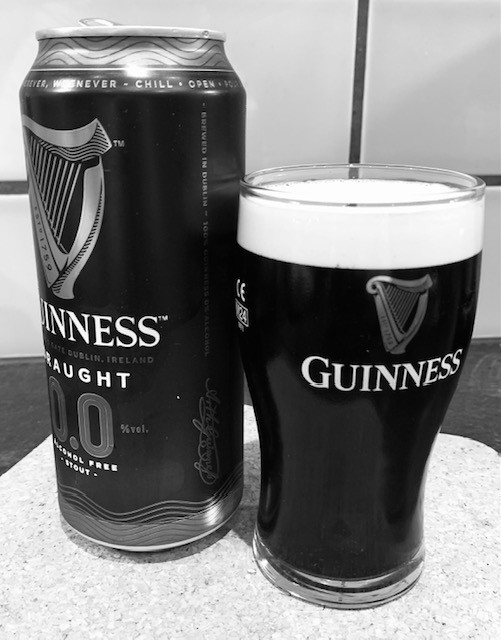
Today, you can spot a pint of Guinness almost anywhere. The harp logo, set against its soft buff-coloured label and paired with Arthur Guinness’s signature, has been part of the brand since it was officially registered as a trademark on 5 April 1862. That emblem has carried the company’s Irish roots with it ever since, especially on St Patrick’s Day, when pride in that heritage is on full display.
The Guinness trademark isn’t just decoration. It’s protected, historic, and instantly recognisable. It tells you exactly what’s in the glass before you even take a sip.
Over the years, the Guinness trademark has evolved gradually, balancing modern design trends with a deep respect for heritage. Unlike many brands that completely reinvent themselves, the Guinness trademark has always kept its three core elements, namely the harp emblem, the word Guinness and Arthur Guinness’s signature, keeping one foot in its history whilst staying current, with Guinness 0.0 currently being the top-selling non-alcoholic beer in the UK.
That balance is part of the magic. The logo feels timeless. The pint feels familiar. And whether you are in Dublin, London, New York or Sydney, raising a glass on 17 March feels like being part of something shared — a tradition that has travelled far but never forgotten where it began.


